
How Plinko Differs from Pachinko
In the world of gambling and gaming, two popular games have captured the imaginations of players globally: Plinko and Pachinko. While they may seem similar at first glance, each offers a distinct experience, rules, and cultural significance. In this article, we will delve into what sets these games apart and how the mechanics, strategies, and overall gameplay of Plinko differ from Pachinko. Additionally, to get a taste of Plinko’s unique mechanics, you can refer to How Plinko differs from pachinko plinko-game.co.nz.
Origins and Cultural Impact
Pachinko originated in Japan in the early 20th century. Initially, it was designed as a children’s toy, but it evolved into a form of gambling by the 1930s. Pachinko parlors became a significant part of Japanese entertainment culture, attracting millions of players looking for fortune and fun. The game has a nostalgic appeal in Japan and represents a fusion of traditional pachisuro (pachinko and slot machines) with modern gaming aesthetics.
Plinko, on the other hand, is a much newer concept, emerging from the American television game show “The Price Is Right.” Introduced in the 1980s, Plinko became an instant hit and has since expanded into various forms, including online gaming platforms. Unlike Pachinko, which is deeply rooted in Japanese culture, Plinko is widely recognized as part of American pop culture and is often associated with prizes and entertainment rather than gambling.
Gameplay Mechanics: How They Work
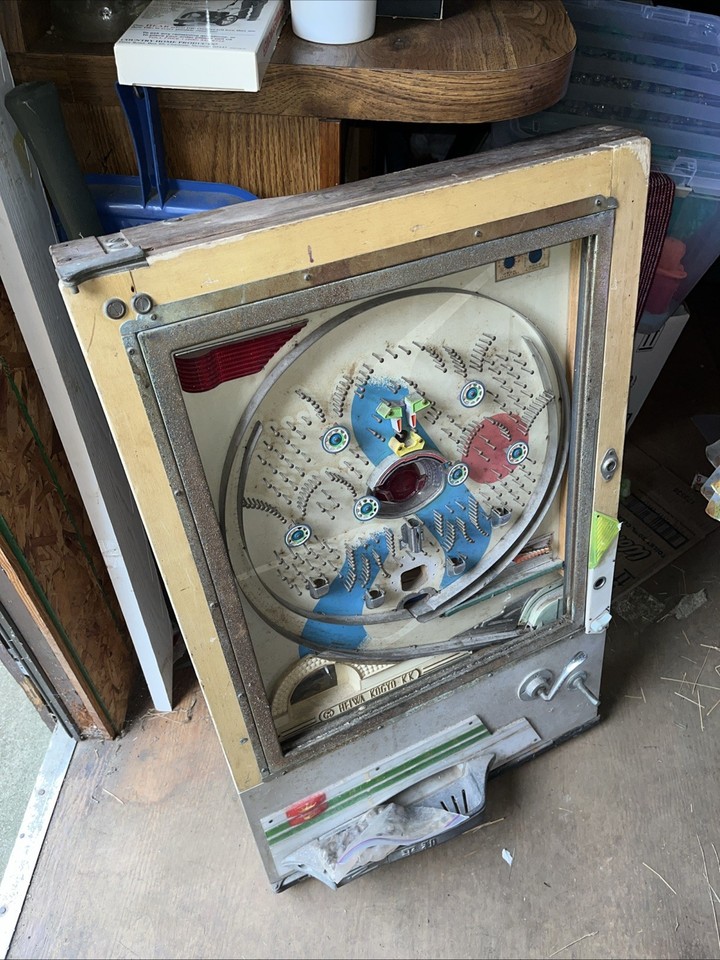
The fundamental gameplay mechanics of Plinko and Pachinko are where the most significant differences emerge. Pachinko is played on a vertical machine filled with a maze of pins. Players release a steel ball that navigates through the pins, bouncing erratically until it lands in one of several slots at the bottom. Depending on which slot the ball lands in, players can win various prizes or additional balls to keep playing. This randomness, combined with the skill required to aim the ball correctly, makes Pachinko both engaging and exciting.
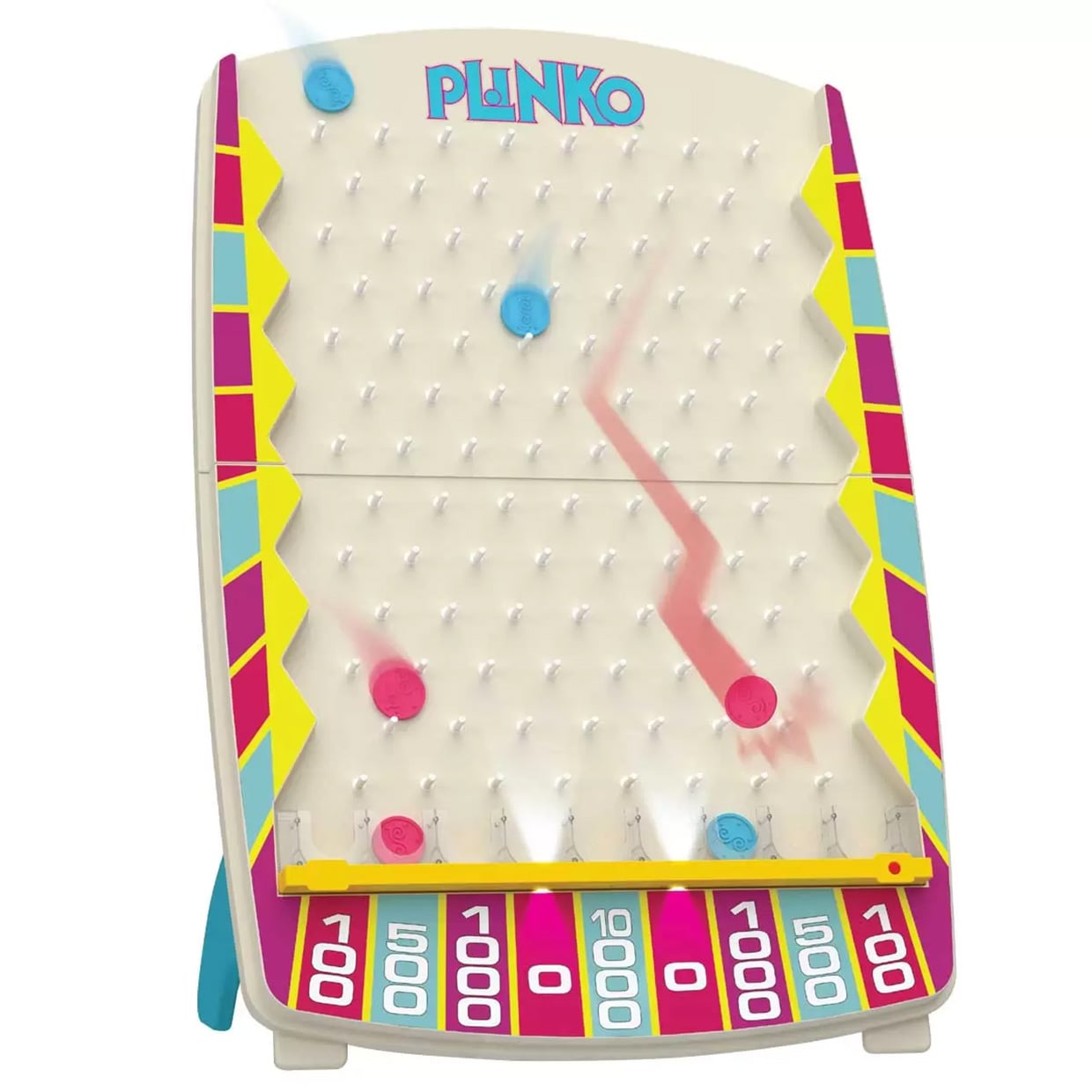
In contrast, Plinko features a board with a series of pegs that create a similar vertical descent for a disk rather than a ball. Players drop the disk from the top of the board, and it bounces off the pegs as it falls, eventually landing in one of the various slots at the bottom, each of which holds a different prize value. The simplicity of Plinko’s mechanics offers an approachable gameplay experience, allowing players to enjoy the thrill of chance without the complexities often found in traditional gambling games.
Visual and Thematic Differences
Visually, Pachinko machines are known for their vibrant designs, often featuring themes based on popular Japanese culture, including anime, celebrities, and historical figures. The machines are adorned with bright lights, sound effects, and flashy graphics, creating a stimulating environment that immerses players in a lively atmosphere.
Plinko, however, presents a more simplistic aesthetic, typically characterized by bright colors and a straightforward design. The game’s charm lies in its minimalism and ease of understanding, allowing players to focus purely on the mechanics and excitement of the drop. The Plinko board itself is often less cluttered, making for a more streamlined visual experience.
In terms of themes, Plinko often revolves around game show motifs, emphasizing the joy of winning prizes. Although both games share an interactive essence, the thematic differences highlight their distinct cultural backgrounds and intended experiences.
Strategies for Winning
When it comes to strategies for winning, Pachinko tends to involve a more complex approach. Players often develop specific techniques for aiming their balls and navigating the machine’s characteristics. Each machine may have different settings, and skilled players can exploit these variations to increase their chances of winning. This aspect brings an additional layer of engagement, as experienced Pachinko players may spend hours fine-tuning their strategy while enjoying the thrill of the game.
On the other hand, Plinko is primarily based on chance, with limited strategy involved. Players cannot control the path of the disk once it’s released, which can lead to unpredictable outcomes. While there may be psychological tactics for choosing a drop zone (e.g., observing which sections yield the highest rewards), the random nature of the game means that strategies can only go so far. This simplicity can be appealing to casual players looking for a quick and entertaining experience without the pressure of skill-based gaming.
Regulations and Gambling Elements
Pachinko operates within a framework of gambling regulations in Japan. Players wager money to play, and the prizes they can win include both physical goods and cash equivalents. However, due to Japanese laws banning direct monetary payouts, players often exchange prize winnings for tokens or slips that can be converted to cash at nearby establishments. This system has led to Pachinko being viewed as a controversial form of gambling within Japan.
In contrast, Plinko, particularly in its online formats, often does not involve real money wagers. Instead, it is typically played for fun or as a part of game show experiences where players can win real prizes without the financial risk that accompanies traditional gambling. This distinction makes Plinko more suitable for players looking for entertainment rather than a serious gambling endeavor.
Conclusion
In summary, while Plinko and Pachinko share similarities as games of chance that provide entertainment, they embody different experiences shaped by their cultural backgrounds, gameplay mechanics, and strategies. Pachinko, with its deep-rooted history and gambling elements, offers a complex and skill-based environment that appeals to dedicated players. Plinko, in contrast, thrives on simplicity and accessibility, making it a fun and casual game that’s popular among a wider audience.
As both games continue to evolve, they prove the diversity of gaming experiences available to players around the world. Whether you gravitate towards the intricate mechanics of Pachinko or the straightforward enjoyment of Plinko, both present opportunities for thrill and enjoyment in their unique ways.