

As the world of equestrian sports continues to evolve, it’s crucial to discuss the implications of unique trends such as New Horse Racing Not On Gamstop www.pavilion-live.co.uk that affect the future direction of horse racing. The phrase “New Horse Racing Not On” has recently made waves, suggesting a shift or disruption in traditional racing formats. In this article, we delve into what this slogan means, the factors contributing to its emergence, and what it indicates for the sport’s future.
Understanding the New Phrase: New Horse Racing Not On
The phrase “New Horse Racing Not On” embodies the frustrations and changes facing the horse racing industry. It represents a collective sentiment from fans, trainers, and stakeholders who are challenging the status quo of the sport. Whether it’s due to the increasing prevalence of digital-based races, economic struggles, environmental considerations, or ethical concerns regarding the treatment of horses, there are multifaceted reasons for this shift.
The Digital Transformation of Horse Racing
One of the most significant changes in the horse racing landscape is the advent of digital racing. With advancements in technology, virtual races have become more popular, offering a new way for fans to engage with the sport. While digital racing presents an innovative way to enjoy equestrian sports, some purists argue that it detracts from the traditional experience of watching live races. The “Not On” aspect reflects a resistance against this trend, emphasizing the value of real-life events and the connection between horses and their riders.
Economic and Environmental Factors
Racing operations have also been impacted by various economic conditions. The costs associated with maintaining stables, caring for horses, and running racing events have surged in recent years. Additionally, environmental issues have been spotlighted, with greater emphasis placed on sustainable practices within the industry. The “Not On” implication is a call to reconsider the current trajectory of horse racing and address these concerns to ensure the sport’s longevity.
Ethical Considerations in Horse Racing
Ethics play a crucial role in the conversation surrounding horse racing. Growing awareness around animal welfare has prompted numerous changes in regulations and practices. The “New Horse Racing Not On” mantra may resonate with those advocating for stricter rules to protect racehorses and improve their quality of life. The outcry against any form of animal exploitation or neglect is strong, as stakeholders call for a more ethical approach to the sport.
Community Response to Changes in Racing
The horse racing community is deeply affected by the phrase “New Horse Racing Not On.” Fans, trainers, and jockeys alike have voiced their opinions about the potential modifications in the sport. Some call for innovation, while others cling to traditional practices that have defined racing for generations. This dynamic has cultivated a contentious dialogue regarding balancing tradition and progress in the racing industry.
Innovative Alternatives to Traditional Racing
Many proponents of change are now advocating for alternative forms of horse racing that maintain the thrill of competition while addressing some of the current issues. Events, such as endurance racing or obstacle courses, could provide a new avenue for showcasing equine talent without the pressures of conventional racing. Exploring these alternatives could reshape audiences’ views and the overall direction of the sport.
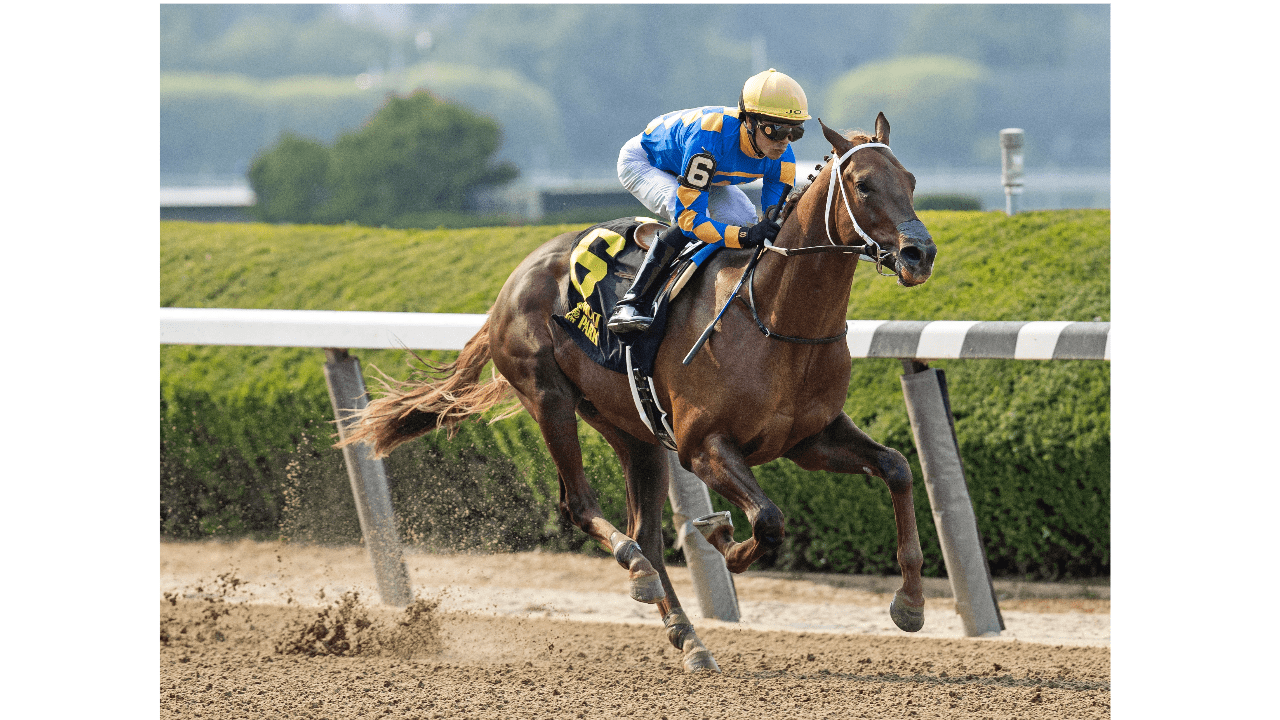
Future Directions for Horse Racing
The future of horse racing is undoubtedly uncertain under the influence of terms like “New Horse Racing Not On.” However, it also presents an opportunity for growth, reflection, and change. Stakeholders within the industry must embrace these shifts and adapt to meet new expectations. Acknowledging the changing landscape and proactively addressing the challenges it presents will be essential for the survival of horse racing as a beloved pastime.
Conclusion: Embracing Change in Horse Racing
As we move forward, the underlying message of “New Horse Racing Not On” should hinder us from dismissing innovations or changes within the sport. It begs the important question: What can be improved? As discussions around digital racing, economic challenges, and ethical considerations continue to gain traction, the horse racing community must engage collaboratively in navigating the complexity of these transitions effectively. The future of horse racing ultimately lies in a balance between preserving its timeless essence and adapting to new realities.