

Understanding Asset Freezes and Bank Account Restrictions
In today’s complex financial landscape, asset freezes and bank account restrictions are becoming increasingly common, especially in the realm of legal sanctions and financial compliance. Whether due to legal disputes, government sanctions, or compliance with financial regulations, understanding these concepts is crucial for individuals and businesses alike. If you find yourself in a situation involving asset freezes, it may be beneficial to consult with a Asset Freeze & Bank Account Unblocking Sanction Lawyer who specializes in this area to guide you through the intricacies of the law.
What is an Asset Freeze?
An asset freeze is a legal measure that temporarily prohibits an individual or entity from accessing, transferring, or otherwise dealing with their assets. This action is often taken in response to allegations of illegal activity, such as fraud or money laundering, and can apply to various types of assets, including bank accounts, real estate, and investments. The purpose of an asset freeze is to preserve the status quo while legal proceedings are ongoing, preventing the potential dissipation of assets that could be needed to satisfy a judgment or penalty.
How Do Asset Freezes Impact Bank Accounts?
When a bank account is subject to an asset freeze, the account holder is typically prohibited from withdrawing funds, making transfers, or using electronic payment methods. This can significantly disrupt an individual’s or business’s day-to-day operations, as access to liquidity is often critical for meeting expenses and obligations. Depending on the jurisdiction and the nature of the freeze, the bank may also be required to report the freeze to relevant authorities, further complicating the account holder’s situation.
Common Reasons for Asset Freezes
Asset freezes can occur for a variety of reasons, including:
- Legal Sanctions: Governments may impose asset freezes as part of sanctions against individuals or entities for various reasons, including terrorism financing or violations of international law.
- Criminal Investigations: Authorities may freeze assets during investigations into criminal activity to prevent suspects from hiding or disposing of illicit gains.
- Civil Litigation: In civil cases, a party may seek a court order to freeze assets as a protective measure while a lawsuit is ongoing, especially if there is a concern that the defendant may not satisfy a judgment.
The Legal Process Behind Asset Freezes
The process for freezing assets often involves a court order, which requires a legal basis. The affected party is typically notified of the freeze, although there are instances where emergency measures may be implemented without prior notice. This lack of notice can lead to substantial hurdles for the account holder, as they may be caught off guard and unable to prepare for the legal challenges ahead.
Implications of an Asset Freeze
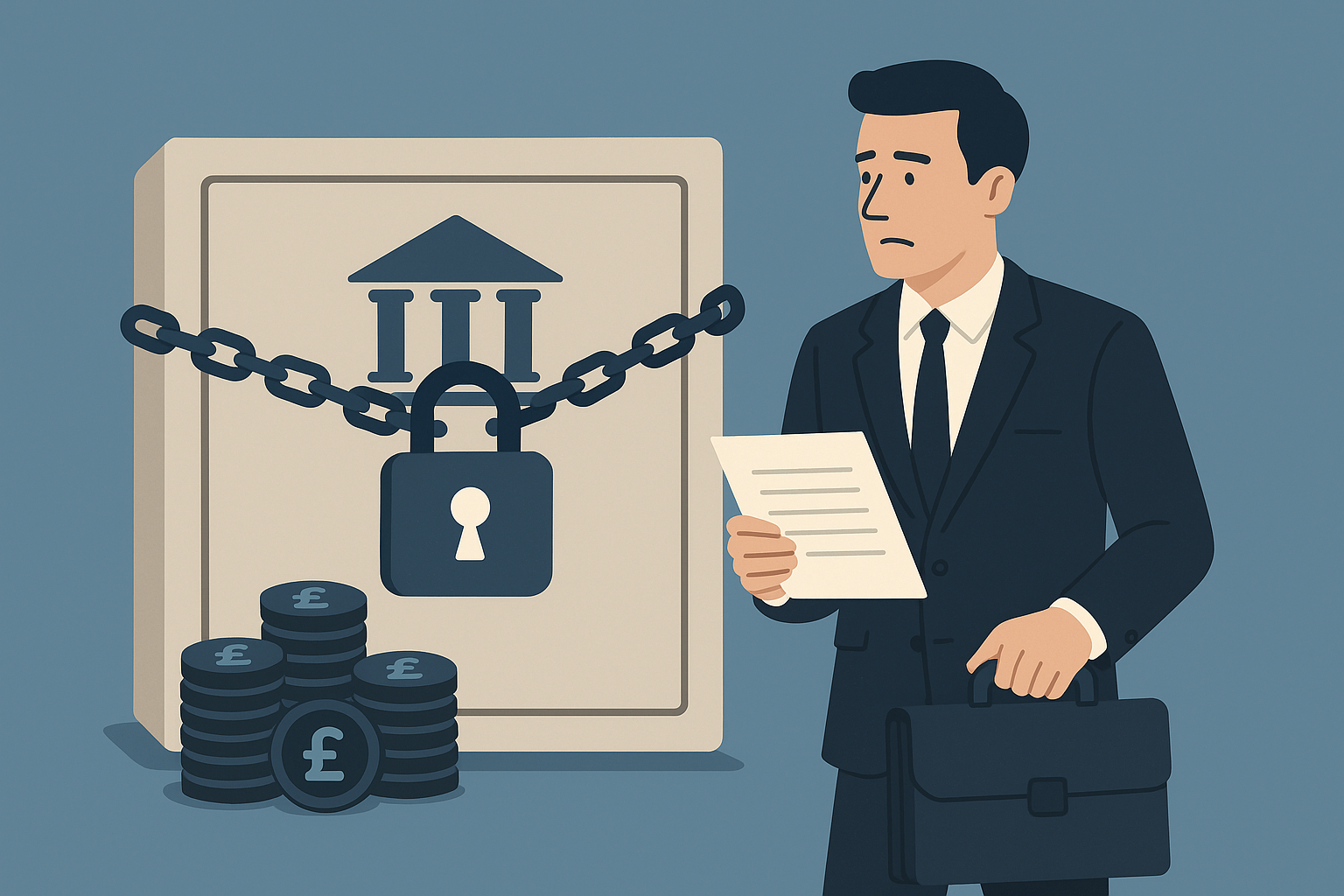
The implications of an asset freeze can be profound. For individuals, this may mean an inability to pay rent or utilities, while businesses may face serious disruptions in operations, including delays in payroll

. In extreme cases, prolonged asset freezes can lead to bankruptcy or liquidation. Therefore, it is essential to understand both the immediate and long-term consequences of an asset freeze.
How to Respond to an Asset Freeze
Responding to an asset freeze requires careful consideration and often legal assistance. Here are several steps that individuals and businesses can take:
- Consult with a Lawyer: Engaging with a legal professional who has experience in asset freezes can help navigate the complexities of the situation and develop an action plan.
- Gather Documentation: Collecting and organizing financial records and documentation can help in contests of the freeze, including verifying the legitimacy of funds and showing the source of income.
- Prepare for Court Proceedings: If disputing the asset freeze, be prepared to present evidence and make a case in court, which may involve demonstrating the legality of your assets and income sources.
Potential Outcomes of a Freeze
The outcome of an asset freeze can vary widely based on the circumstances surrounding the freeze, the jurisdiction’s laws, and the arguments presented in court. Potential outcomes include lifting the freeze entirely, negotiating terms for partial access to funds, or maintaining the freeze until the legal issues are fully resolved. In some instances, individuals have successfully overturned a freeze by demonstrating that the funds were obtained legally and that the freeze unjustly impacted their financial wellbeing.
Preventing Asset Freezes
While it may not be possible to entirely eliminate the risk of an asset freeze, there are steps that individuals and businesses can take to minimize this risk:
- Maintain Compliance: Ensuring compliance with all applicable laws, regulations, and tax obligations can reduce the risk of an asset freeze due to legal sanctions.
- Transparent Financial Practices: Conducting business transparently and maintaining clear records can help in defending against potential freezes by demonstrating legitimate operations and finances.
- Regular Legal Consultation: Engaging regularly with legal professionals can provide insights into potential risks and effective ways to mitigate them.
Conclusion
Asset freezes can have significant and lasting impacts on individuals and businesses alike, particularly regarding access to bank accounts and financial resources. Whether stemming from legal sanctions, criminal investigations, or civil disputes, the consequences of an asset freeze must be taken seriously. Seeking legal advice early in the process is essential, particularly for those who may find themselves facing an asset freeze unexpectedly.
With the right strategies and support in place, it is possible to navigate the challenges presented by asset freezes and protect your financial interests effectively.